🌿 Welcome to Unprocessed Table: Simple, Natural, and Nourishing 🍃
📌 Join us on this journey—one unprocessed choice at a time! 💛 #UnprocessedLiving #CleanEating #HolisticWellness #DIYRemedies

📌 Join us on this journey—one unprocessed choice at a time! 💛 #UnprocessedLiving #CleanEating #HolisticWellness #DIYRemedies
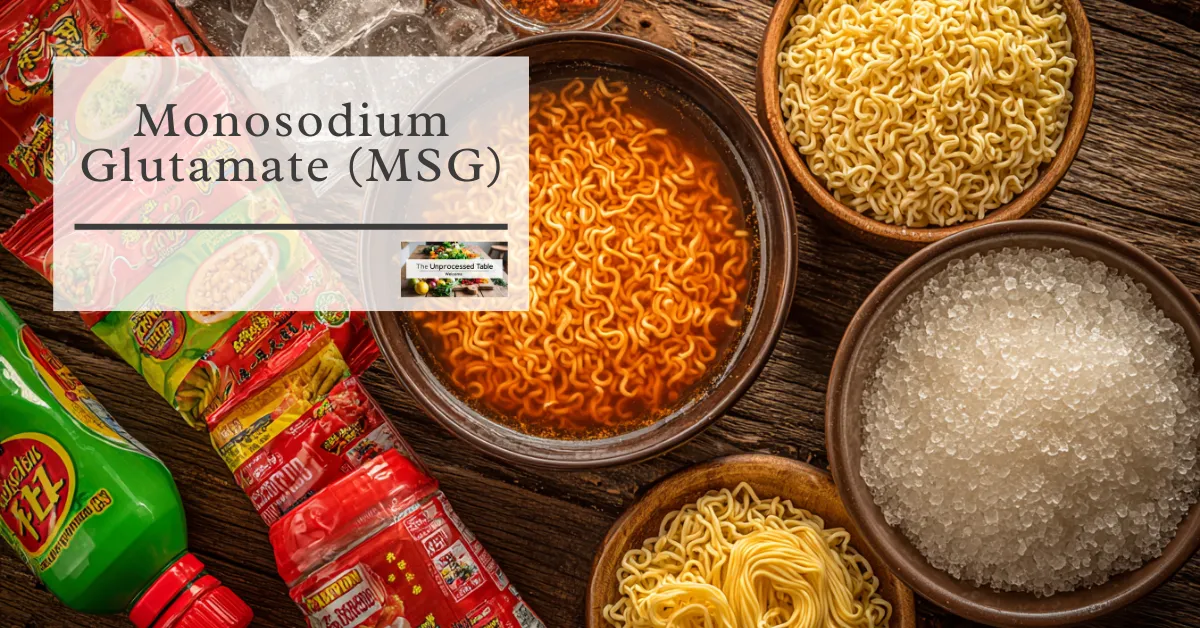
Is Monosodium Glutamate (MSG) really harmful — or just misunderstood? In this balanced, no-fear breakdown, we explore what MSG actually is, how it enhances savory “umami” flavor, where it commonly appears, and what major health organizations say about its safety. We’ll also look at the difference between naturally occurring glutamate in whole foods and concentrated MSG in processed products. No hype. No shaming. Just clear, science-informed context so you can decide what feels right for your table. Because understanding flavor is just as important as understanding ingredients. 🌿
Why does some packaged bread stay mold-free for weeks? In this post, we explore propylparaben — a synthetic preservative used to prevent mold and extend shelf life in certain processed foods and personal care products. You’ll learn what it is, why manufacturers use it, how regulatory agencies view it, and why cumulative exposure is part of the ongoing conversation. No fear tactics. No extremes. Just clear, practical education to help you make confident choices for your kitchen and home. Because sometimes the most powerful step toward wellness is simply understanding what’s preserving your food — and deciding if you’re comfortable with it. 🌿
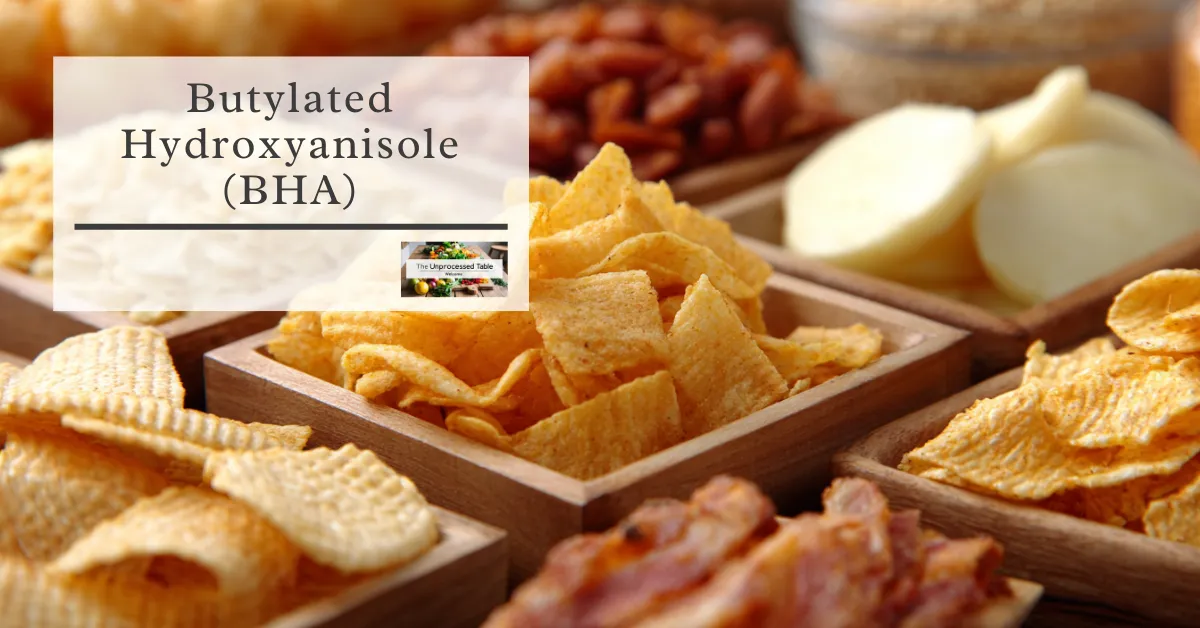
Why do some packaged snacks last for months without changing in taste, texture, or smell? In this article, we take a thoughtful look at Butylated Hydroxyanisole (BHA) — a synthetic preservative used to prevent oils from going rancid in processed foods. You’ll learn what it does, where it commonly appears, why it continues to be studied, and how different regulatory agencies view its safety. No alarmism. No overwhelm. Just clear, grounded information so you can read labels with confidence. Because sometimes the most powerful wellness shift isn’t dramatic — it’s simply understanding what’s quietly extending your food’s shelf life.
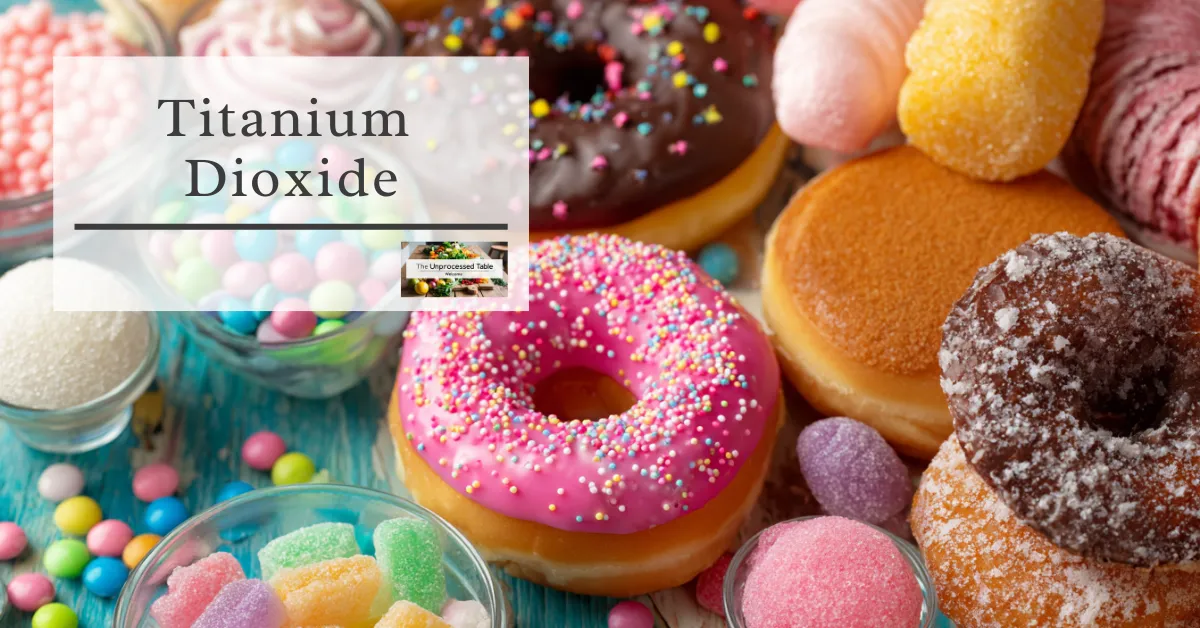
Why are some frostings, candies, and creamers so perfectly white? In this article, we take a calm, informed look at titanium dioxide — a cosmetic food additive used to brighten and whiten processed products. You’ll learn what it is, why manufacturers use it, where it commonly shows up, and why some countries have chosen to ban it while others still allow it. No fear. No food shaming. Just clarity. Because when you understand what’s in your food — and why it’s there — you get to decide what belongs in your kitchen.